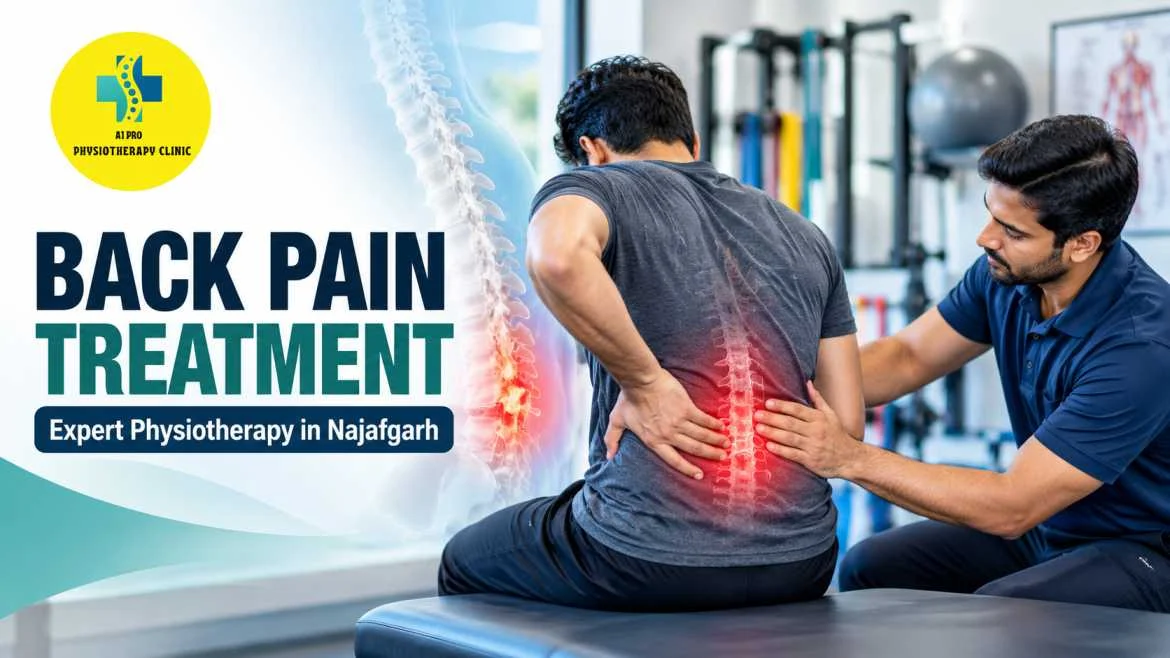
Back Pain Treatment in Najafgarh: Find the Right Physiotherapy Care
Sitting, lifting or driving all day and your back is paying for it? Learn the common causes, warning signs, physiotherapy options and simple exercises, and when to see a qualified physiotherapist.
Back Pain Can Affect Anyone
Back pain is a common problem across ages and lifestyles. Whether you sit at a desk for hours, drive long distances, do physically demanding work or struggle with household tasks, it can interfere with your daily routine.
For some people it builds up gradually from prolonged sitting, muscle fatigue or low activity. For others it starts after lifting something heavy, exercising incorrectly or an injury. Persistent pain can make it hard to bend, walk, sleep or finish everyday tasks.
If you are looking for back pain treatment in Najafgarh, understanding the possible causes and treatment options is a good first step. At A1 Pro Physiotherapy Clinic in Najafgarh, New Delhi, led by registered physiotherapists, patients can seek assessment and guidance for musculoskeletal pain and movement difficulties. The right plan depends on your symptoms, medical history, examination and functional needs.

What Is Back Pain?
Back pain is discomfort in any part of the back: upper, middle or lower. Lower back (lumbar) pain is especially common because this region supports much of the body’s weight during sitting, standing, walking and bending.
It can be acute (short-lived) or persistent (lasting weeks or longer). Some people have occasional discomfort; others have recurring episodes that affect work and quality of life.
The intensity of pain does not always reflect how serious the cause is. Mild discomfort can sometimes need assessment, while significant pain may occur without serious structural damage. Identifying the likely cause helps decide whether physiotherapy, medical investigation, medication or other care is appropriate.
Common Causes of Back Pain
Back pain can develop for several reasons. Knowing the contributing factors helps guide treatment and prevention.
Prolonged Sitting & Poor Ergonomics
Long hours at work, study, on the phone or travelling can make the back feel stiff. An uncomfortable workstation and few movement breaks add to it.
Muscle Strain & Overuse
Heavy lifting, sudden twisting, repetitive bending or unfamiliar exercise can strain the soft tissues around the back, causing tenderness, stiffness and pain on movement.
Poor Physical Conditioning
Reduced strength and endurance can make everyday tasks more demanding. The back works with the abdominal, hip and pelvic muscles to support movement.
Disc-Related Problems
Spinal discs help distribute load. Changes in a disc can contribute to pain, and sometimes irritate a nearby nerve, sending pain into the buttock or leg.
Sciatica & Nerve Irritation
Sciatica describes pain linked to irritation of the sciatic nerve or its roots, travelling from the lower back through the buttock and down one leg, sometimes with tingling or weakness.
Age-Related Changes
Spinal joints and discs change naturally with age. These changes do not necessarily cause pain, and X-ray or MRI findings do not always explain symptoms.
Common Symptoms of Back Pain
- Dull, aching discomfort in the lower or upper back
- Sharp pain when bending, twisting or lifting
- Tightness or stiffness after sitting for long
- Difficulty standing up after sitting
- Pain that increases with certain movements
- Discomfort travelling into the buttock or leg
- Reduced flexibility or trouble with routine activities
Note when the pain started, what eases or worsens it, and any other symptoms. This helps a healthcare professional understand your condition.
⚠ When Should You Seek Medical Attention?
Most back pain is not an emergency, but get emergency medical care if back pain occurs with:
- New difficulty controlling your bladder or bowel
- Inability to urinate or new loss of bladder control
- Numbness around the groin or saddle area
- Rapidly progressing weakness in one or both legs
Prompt medical evaluation is also important when pain follows a major accident, comes with fever or unexplained weight loss, occurs with a history of cancer, or is severe and persistent, especially when worse at night.
Do not delay urgent assessment to try exercises, massage or other physical treatments.
How Physiotherapy Helps With Back Pain
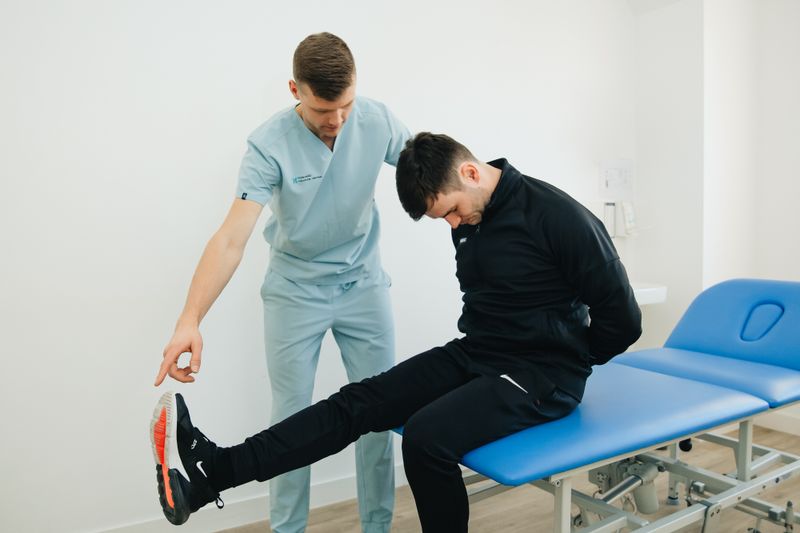
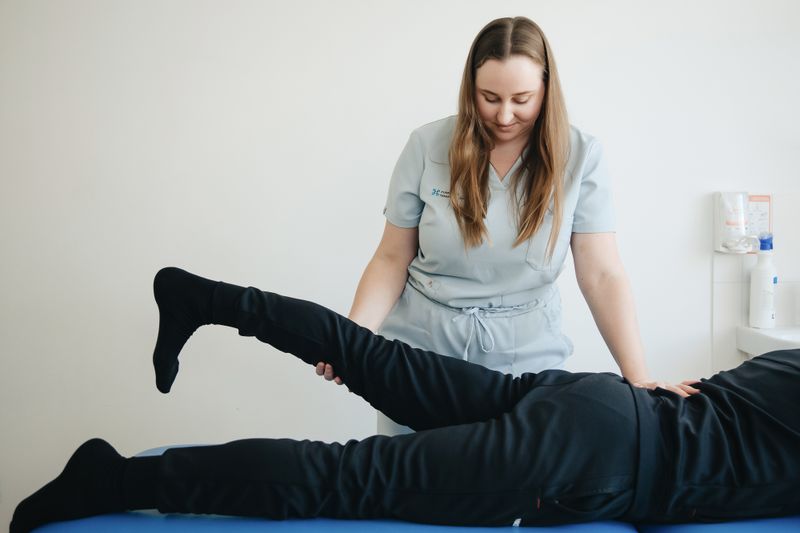
Physiotherapy is a non-surgical approach focused on improving movement, function, strength and physical capacity. Depending on the cause, it may help reduce symptoms and support a safe return to daily activities. A professional assessment is essential because not every back pain needs the same treatment.
1. Initial Assessment
- Discussion of symptoms and medical history
- Posture and movement assessment, where relevant
- Back, hip and leg mobility evaluation
- Strength and neurological screening
- Identifying aggravating movements
- Screening for signs that need a doctor’s referral
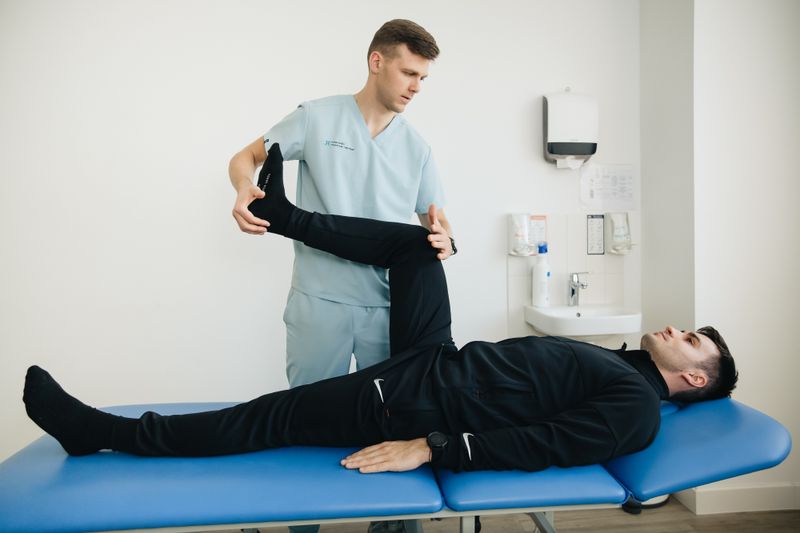
2. Individualised Exercise Therapy
Exercise is a key part of many back pain rehabilitation programmes. A physiotherapist may recommend mobility, strengthening or graded functional movements based on your condition and tolerance, progressed gradually rather than as a generic routine.
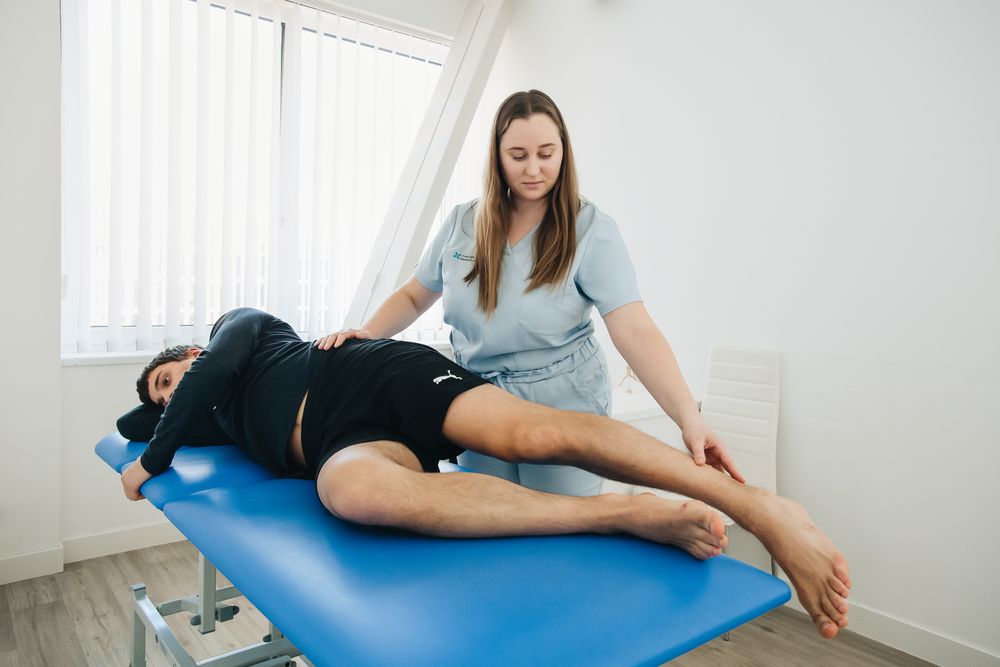
3. Manual Therapy
When clinically appropriate, selected hands-on techniques may help manage symptoms and improve movement. They work best combined with education and active rehabilitation, not as a complete solution on their own.
4. Activity Modification & Education
Avoiding all movement for long periods can reduce strength and confidence. For uncomplicated back pain, staying active within tolerable limits helps. Your physiotherapist can show you how to adjust painful activities, resume normal movement and manage flare-ups.
Back Pain Treatment Options at A1 Pro Physiotherapy Clinic
Treatment is selected according to assessment findings, not the same procedure for every patient.
Exercise-Based Rehabilitation
- Gentle spinal mobility exercises
- Hip mobility and flexibility work
- Progressive trunk and back strengthening
- Walking and general conditioning
- Functional training for lifting, sitting, standing and daily tasks
Therapeutic Modalities
Certain physical therapy modalities may be considered within a broader rehabilitation programme. Their usefulness depends on the condition, the evidence behind the modality and your response. Passive treatments should not replace assessment, education and an exercise plan.
Cupping Therapy
Cupping (available in our treatment setup) places cups on the skin to create suction, and some people seek it for muscle tightness. Research shows possible short-term benefits in some settings, but evidence is limited and varies in quality. It is not a proven cure for back pain or disc problems.
It can cause temporary circular marks, bruising or skin irritation, and less commonly burns or infection with unsafe technique. Discuss benefits, limits and risks with a qualified professional first; it should not replace assessment or active rehabilitation.
Posture & Ergonomic Guidance
There is no single perfect posture that prevents back pain. Comfortable positioning and regular changes help: adjust your chair and screen, take movement breaks, vary sitting and standing, and keep frequently used items within easy reach.
Simple Exercises That May Help With Back Pain
These may suit some people with uncomplicated back pain. They are general examples, not a personalised programme. Stop any exercise that significantly worsens symptoms, causes new radiating pain, numbness or weakness, and seek guidance if unsure.
1. Pelvic Tilts
- Lie on your back, knees bent, feet flat.
- Gently tighten your abdominal muscles.
- Tilt your pelvis to flatten your lower back slightly.
- Relax and return to a comfortable position.
- Repeat slowly within a comfortable range.
2. Cat-Cow Movement
- Start on your hands and knees.
- Slowly round your back without forcing.
- Gently move the other way as tolerated.
- Repeat slowly, breathing normally.
3. Walking
Walking helps maintain general activity and mobility for many people with back pain. Begin with a comfortable duration and pace, then increase gradually. If it significantly worsens pain or causes new neurological symptoms, stop and seek advice.
4. Gluteal Strengthening
Hip muscles contribute to many everyday movements. Depending on your condition, a physiotherapist may introduce exercises such as supported bridges, done with control and without forcing the lower back into discomfort.
What to Avoid When You Have Back Pain
- Prolonged bed rest: unless a medical professional advises it, gentle movement and gradual return to activity are usually better for uncomplicated back pain.
- Heavy lifting during severe pain: modify lifting temporarily, and return with manageable loads, progressing gradually.
- Unsupervised aggressive stretching: forceful stretches that repeatedly reproduce sharp or radiating pain may worsen symptoms.
- Relying only on pain-relief procedures: massage, heat, cupping and other passive treatments may give temporary relief but do not address every cause. A balanced plan includes assessment, education, movement and strengthening when indicated.

How to Choose the Right Physiotherapist in Najafgarh
When searching for a physiotherapist in Najafgarh, consider:
Professional qualifications
Check recognised qualifications and relevant clinical experience.
Individual assessment
Look for a service that evaluates your symptoms before recommending treatment.
Clear explanations
They should explain the proposed treatment, expected benefits, limitations and alternatives.
Active rehabilitation
Exercise and functional recovery should be considered when appropriate.
Progress monitoring
Your plan should be reviewed as your progress and symptoms change.
Referral when necessary
A responsible clinician recognises when medical assessment is required.
Avoid clinics that advertise guaranteed pain relief or a fixed number of sessions for every patient. Recovery time varies with the underlying problem and individual circumstances.
Why Consider A1 Pro Physiotherapy Clinic in Najafgarh?
If back pain is affecting your work, mobility or routine, an appropriate assessment can help you understand your options. A1 Pro Physiotherapy Clinic serves patients in Najafgarh, New Delhi, seeking physiotherapy guidance for pain and movement-related concerns.
Registered Physiotherapists
Care led by registered physiotherapists with over a decade of combined clinical experience.
Personalised Plans
Every plan is built around your condition, body and goals, using manual therapy, exercise and electrotherapy where appropriate.
Home Physiotherapy
Can’t travel? Home visits are available across Najafgarh and nearby areas.
Open 7 Days
Same-day appointment slots are available, with Sunday hours too.
Our Clinic Facilities
- Modern treatment rooms
- Electrotherapy equipment
- Dedicated exercise area
- Cupping therapy setup
- Hygienic and sanitised space
When you contact the clinic, you can discuss your symptoms, how long you have had pain, the activities you find difficult and any diagnosis you have already received. A suitable rehabilitation plan is based on assessment and adjusted to your response. The purpose is to support better movement and function, not to promise identical results for every patient. If you have severe or unexplained symptoms, seek medical evaluation before starting treatment.
Tips to Help Prevent Recurring Back Pain
Back pain cannot always be prevented, but these habits may support spinal health and general physical function.
🚶 Stay Active
Regular walking and appropriate strengthening help maintain mobility and conditioning.
⏱ Take Movement Breaks
If you sit for long, change position regularly and take short movement breaks.
📦 Lift Safely
Keep loads manageable, hold objects close to your body and avoid sudden twisting under heavy loads.
📈 Build Strength Gradually
Increase exercise intensity and workload progressively rather than making sudden changes.
😴 Sleep & Recovery
Keep a comfortable sleeping environment and allow time to recover after demanding activities.
🩺 Act on Symptoms Early
If pain keeps returning, limits daily activity or spreads into your legs, get assessed instead of repeatedly self-treating.
Frequently Asked Questions About Back Pain Treatment in Najafgarh
1. Where can I get back pain treatment in Najafgarh?
You can contact A1 Pro Physiotherapy Clinic in Najafgarh, New Delhi, to enquire about physiotherapy assessment and treatment options. The appropriate care depends on your symptoms, medical history and examination findings.
2. Can physiotherapy help with lower back pain?
Physiotherapy can help many people with lower back pain through education, graded exercise, mobility work and strengthening. Effectiveness depends on the underlying cause, individual circumstances and suitability of the treatment.
3. How many physiotherapy sessions are needed for back pain?
There is no fixed number that works for everyone. Some people improve quickly while others need a longer programme. Your physiotherapist can recommend a plan and review progress over time.
4. Is walking good for back pain?
Walking often helps people with uncomplicated back pain because it maintains movement and general activity. Start at a comfortable level, increase gradually, and stop and seek advice if symptoms significantly worsen.
5. Is Cupping Therapy effective for back pain?
Cupping may give short-term relief to some people, but research is limited and does not establish it as a reliable treatment for every type of back pain. Consider it only when appropriate and with awareness of its risks.
6. Can poor posture cause back pain?
Prolonged or uncomfortable positions may contribute to symptoms, but back pain usually has multiple influences. No single perfect posture prevents all back problems. Regular movement and comfortable positioning can be more useful than holding one rigid position all day.
7. Should I get an MRI for back pain?
An MRI is not routinely necessary for every episode of back pain. A doctor may recommend imaging when there are concerning symptoms, suspected serious conditions, or findings that could change the treatment plan.
8. When should I visit a physiotherapist for back pain?
Consider an assessment if back pain persists, repeatedly returns, restricts movement or interferes with work and daily activities. Seek urgent medical attention for bladder or bowel changes, saddle numbness, progressive weakness or other serious warning signs.
9. Can back pain go away without treatment?
Many episodes of uncomplicated back pain improve over time. However, persistent, recurrent, worsening or unexplained pain should be assessed. Appropriate advice can help you manage symptoms and return to normal activities safely.
10. How can I book an appointment at A1 Pro Physiotherapy Clinic?
Contact A1 Pro Physiotherapy Clinic in Najafgarh to enquire about availability and discuss your back pain concerns. The clinic team can guide you on arranging an appointment and the next steps for assessment.
Visit A1 Pro Physiotherapy Clinic, Najafgarh
📍 Address
Second Floor, Balaji Hospital, Goyala Mor, Deenpur, Dinpur Lal Dora Extn, Najafgarh, New Delhi, Delhi 110043
🕘 Opening Hours
Monday to Saturday: 9:00 AM – 8:00 PM
Sunday: 10:00 AM – 2:00 PM
Book Your Back Pain Assessment at A1 Pro Physiotherapy Clinic, Najafgarh
Back pain can make sitting, walking, bending and working uncomfortable. Understanding the cause of your symptoms is an important step towards choosing appropriate care.
Take the next step towards better movement. Contact A1 Pro Physiotherapy Clinic to enquire about an appointment.
Do not delay medical evaluation if your symptoms include serious warning signs or rapidly worsening neurological problems.
